Thursday, March 6, 2014

Diatomaceous Earth and the Many Benefits

Yes...This is the third Diatomaceous Earth post this year!
What can I say...I LOVE the stuff!
http://marysheirloomseeds.com/

But before I get started I want to share a concern I had and was voiced by several customers.  If DE works on bag bugs, does it also "work" on bees?  Will it hurt the bees?
Here's my response...
From the book Going Green using Diatomaceous Earth:
"When Diatomaceous Earth is applied to crops or orchards, the honey bee tends to protect themselves by simply avoiding those blossoms already treated with DE. However, if DE does get on a bee's body, it is covered with slick hairs that are able to help prevent dehydration of body fluids.
Then the bee simply vibrates its wings to remove the dust and protect itself. However, should a bee get enough DE on it to cause death, he's the only insect that dies. Even if he makes it back to the hive, he does not contaminate the colony, as DE is not a chemical toxin."
 

Mary's Heirloom Seeds
Let's talk about Diatomaceous Earth
Don't Miss Out!
Did you know we've added several NEW pages both at Mary's Heirloom Seeds and our blog
Back to the Basics?
It's true!

In case you're just tuning in, we've been steadily adding to our 2014 Planting Guide.
For your viewing pleasure we've made a special page with all of the growing info in one easy place.
Check out Mary's
2014 Planting Guide


Like us on Facebook

EVENT:
Edible Gardening Workshop
Thursday, March 13th
@6pm
2104 Tyler Street
Helpful Links


Mary's
Heirloom Seeds
2104 Tyler Street
Hollywood, FL 33020
(954) 654-3501

Find us at the
Yellow Green Farmer's Market
Booth #281
Saturday & Sunday 8am-4pm


Like us on Facebook

Follow us on Twitter

You might think we've gone "nuts" over
Diatomaceous Earth
There's been quite a buzz lately about this intriguing addition @ Mary's Heirloom Seeds.
It's pronounced "DIE-A-TOE-MAY-SHUS"
What is Diatomaceous earth
Diatomaceous Earth ("DE") is a talc-like powder that is the fossilized remains of fresh water phytoplankton (Diatoms).

When sprinkled on a bug that has an exoskeleton (such as ants or fleas) it compromises their waxy coating so that their innards turn into teeny tiny bug jerky. But it doesn't hurt our pets or humans.
The DE available @ Mary's Heirloom Seeds is
FOOD GRADE.  We can eat it. We do eat it!
Diatomaceous Earth is a natural, organic garden pest control and household insect killer. Diatomaceous Earth kills by physical action, not chemical. It is safe for pets and people. The tiny diatoms scratch off the insect's waxy coating, and dehydrate it.

DE kills spiders, roaches, silverfish, ants, fire ants, carpenter ants, bedbugs, lice, mites, earwigs, flies, fleas, box elder bugs, hair lice, scorpions, crickets and harmful insects. Diatomaceous Earth is used in the home, yard, animal housing, etc. Sprinkle a 2 inch wide border around the foundation of your house to stop insects from entering.
 

Click Here to see Food Grade Diatomaceous Earth

Diatomaceous Earth kills aphids, white flies, beetles, loopers, mites, snails, slugs, leaf hoppers, and harmful pests. Use Diatomaceous Earth inside your home, greenhouse or outdoors on fruits, vegetables, flowers, grains and grass.

Apply Food Grade Diatomaceous Earth up to and including day of harvest.
Did I mention I EAT it?
Not with a spoon!  Diatomaceous Earth (DE) has been reported to absorb methyl mercury, E. coli, endotoxins, viruses (including poliovirus), organophosphate pesticide residues, and drug residues.
DE is a natural organic colon cleanser and detoxifier. This cleansing and detoxification alone has a myriad of positive effects in the human body.


I take 1 tablespoon in a glass of 8 ounces of water each morning on an empty stomach.  This is in no way medical advice or treatment recommendation.  If you have questions or concerns you should consult your healthcare professional.
All of the seeds listed are open-pollinated, non-gmo and non-hybrid,
non-patented,  untreated, heirloom garden seeds.
Mary has signed the Safe Seed pledge.  
Seed Orders placed Monday-Thursday are shipped within 24 hours, except for holidays.

Shipping on Heirloom Seeds is Free within the Continental US!


Wednesday, March 5, 2014

Benefits of Lemonbalm, Basil and Borage

Ready for another informative e-newsletter from Mary's Heirloom Seeds?
http://marysheirloomseeds.com/

Check it out!

Mary's Heirloom Seeds Newsletter

Quick Links

MORE HERBS!!!
 
Thyme
Feverfew
Dill
Thai Holy Basil
Lavender

Dear Mary,
SPRING is right around the corner! You might be
Seed Starting Indoors if it's still cold outside.

If you're still planning out your garden or have a bit more room left over, you should consider the varieties below!  Check out Back to the Basics for FREE seeds!

Benefits of Lemonbalm,  
Basil and Borage
Lemonbalm
Lemonbalm can be grown in containers.   
Seeds germinate in 12-21 days.  Lemonbalm prefers full sun but tolerates partial shade and requires consistently moist soil. 
 
Lemonbalm 
Mosquitos?  
Lemonbalm can repel mosquitos.
Once harvested, Lemonbalm is used in tinctures, teas, healing salves and organic mosquito repellant.

Basil
Basil is one of the easiest herbs to grow in the garden.  Basil LOVES heat and can be grown in full sun or even partial shade.
Purple Opal Basil changing color
Basil does well with Tomatoes, peppers, Squash, oregano, asparagus and petunias.
Basil can be helpful in repelling thrips,
flies and mosquitoes.
Health benefits of Basil

Borage can deter Tomato Hornworms, making it my favorite herb in the garden!
Borage matures in as few as 6 weeks so if you start seeds in containers be sure to transplant early to avoid getting root-bound.
Borage
Borage is a companion plant to Tomatoes, Squash, Strawberry, Basil, leeks, pumpkins, kale, nasturtiums, marigolds and parsley.
Borage leaves and flowers are delicious in salads
~~~~~~~~~~~~~~~~
All of the seeds listed are open-pollinated, non-gmo and non-hybrid, non-patented,  untreated, heirloom garden seeds.
Mary has signed the Safe Seed pledge.  
Seed Orders placed Monday-Thursday are shipped within 24 hours, except for holidays.  Shipping on Heirloom Seeds is Free within the Continental US!

Are you planting any of these delicious herbs in your garden? Let us know!
-Mary                                Like us on Facebook                            
Mary's Heirloom Seeds

Find us at the Yellow Green Farmer's Market
Saturdays and Sundays from 8am-4pm
 

Tuesday, March 4, 2014

FREE SEEDS? Yes Please!

Our goal at Mary's Heirloom Seeds is to provide a trusted source for Heirloom, Non-GMO seeds!

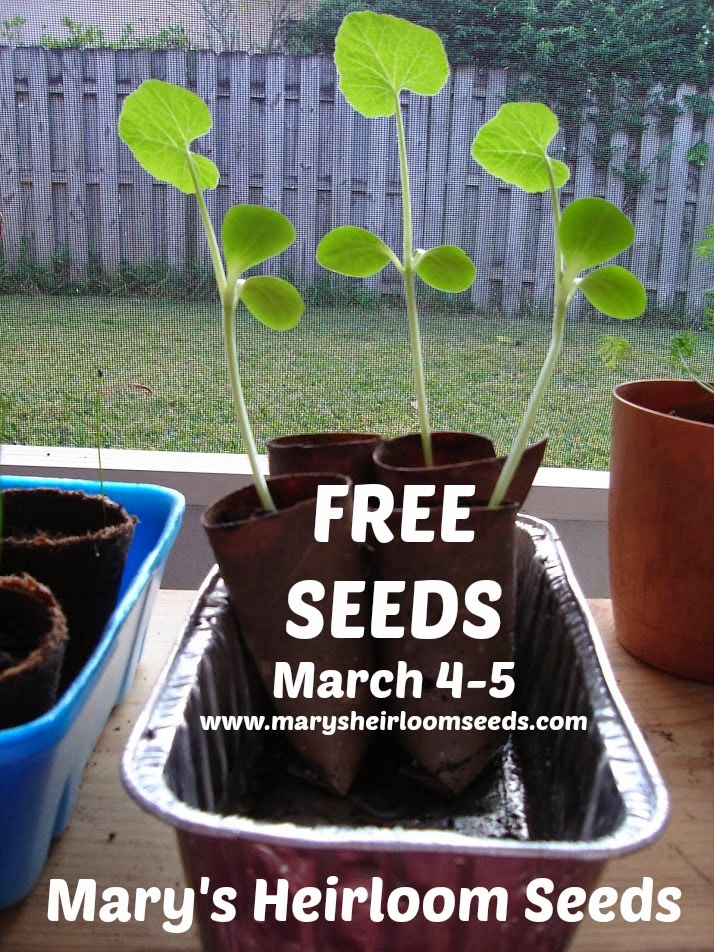
Are you planting a garden this year?  We'd like to offer you FREE seeds!
That's not all...We also give you FREE Shipping!

Here's the scoop...

Shipping is always free on heirloom seeds!  Orders $35 or more are upgraded to Priority Mail at no extra charge.  Orders placed Monday thru Thursday ship within 24 hours, except for holidays.

http://marysheirloomseeds.com/
Now...Here's the FREE stuff...Starting NOW and ending tomorrow night (March 5th) we are going to give you 
-1 free seed pack on orders $10 or more
-2 free seed packs on orders $36 or more
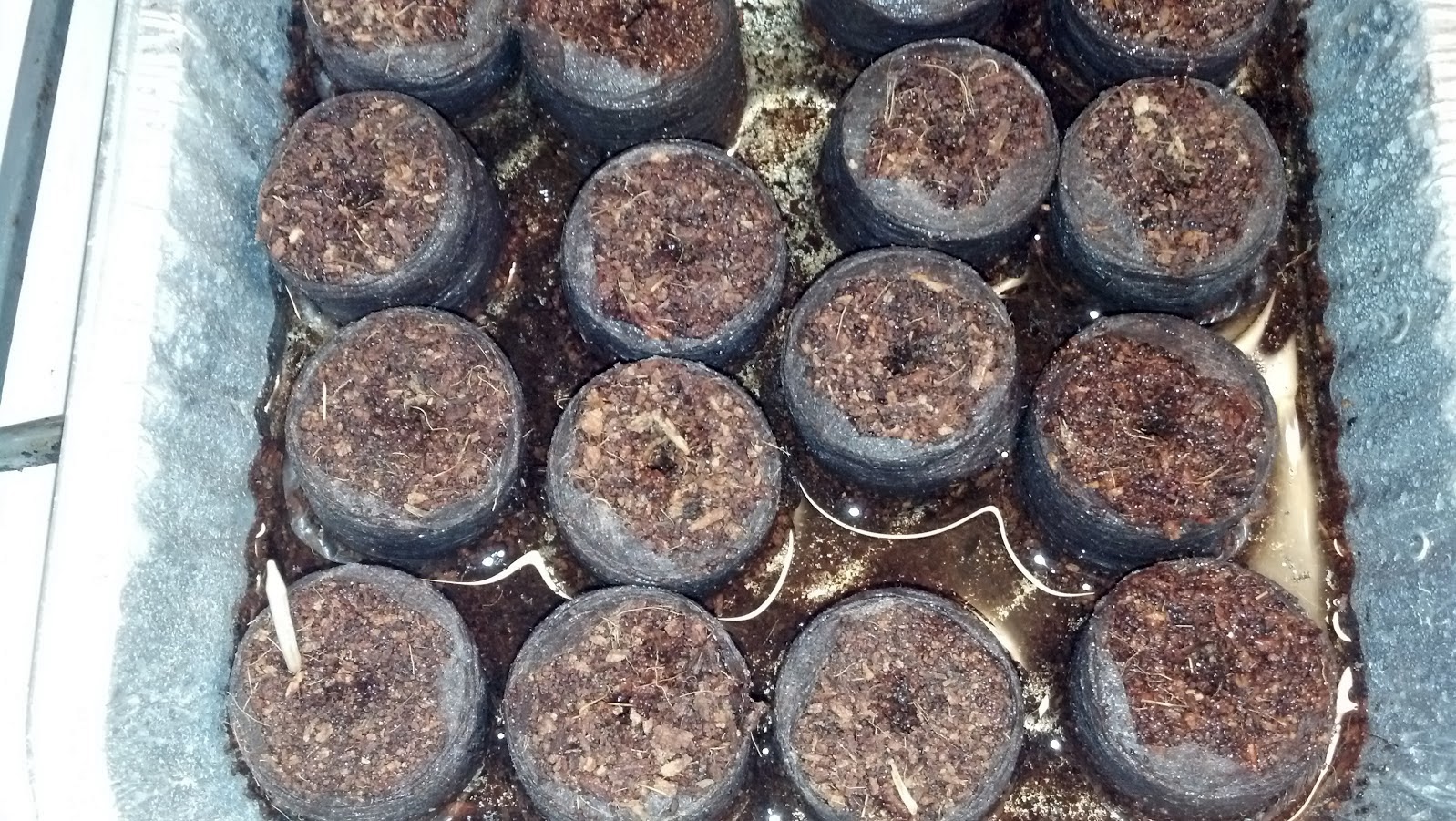
-2 free seed packs AND 12 coconut coir pellets on orders $50 or more

That's a HUGE DEAL!
Coconut Coir Pellets make seed starting easy!
All of the seeds listed at Mary's Heirloom Seeds are open-pollinated, non-gmo and non-hybrid, non-patented,  untreated, heirloom garden seeds.
Mary has signed the Safe Seed pledge.  


http://www.facebook.com/pages/Marys-Heirloom-Seeds/229833070442449

Sign up for our E-Newsletter


Tuesdays with a Twist #48 is LIVE!

Good Morning and Welcome to another No Rules Party!

Have you entered the SPRING into Gardening GIVEAWAY?
It ends very soon so go check it out!


Back to the Basics

We're your hosts 
Mary @ Back to the Basics and Mary's Kitchen
Joyce @ It's Your Life! 
Marci @ Stone Cottage Adventures
Angie @ God's Growing Garden
Back again for March is Debra @ MsMoozy's Open House

Features!
Each co-host will be sharing her own picks for Features. This gives everyone a better chance of being featured. Be sure to check all of our blogs to see if you were featured! 
My Features this Week are:

GrowVeg Garden Planner from Free Range Life

Good Girl Moonshine from Deep Roots at Home

If you've been featured we'd love for you to grab a button.

Back to the Basics

The party starts every Tuesday at 7am EST and will continue until Friday at 11:59pm.  Feel free to stop back any time and "like" your favorites.  Please visit other blogs if you have a moment. 
Share older posts as well as new ones.  No limit on links!
*Pictures should be your own* 
By linking up you give us permission to use these photos
 (with proper link backs) in our features.   And now for the party!

Monday, March 3, 2014

SPRING into Gardening GIVEAWAY

spring gardening giveaway600

Spring has Sprung and were all excited to DIG in and get gardening!
What is more fun this time of year than digging in the dirt...planting our seeds that we have carefully selected over the wintertime....Well...

How about a GIVEAWAY?!!

Take a break from the digging and the planting and the planning...Enter to win these great gifts from these amazing bloggers:

Angie @ Schneider's Peeps

The Gardening Notebook is a custom printable e-book to help you keep track of everything that is important to you in your gardening.
The more you add to it, the more you it becomes.

The Gardening Notebook


Mary @ Mary's Heirloom Seeds

Mary's Heirloom Seeds Family Garden Pack
The Family Garden Pack of Seeds
A great family or market garden pack. A variety of heavy producing seeds. Includes One packet of each:
-Pink Oxheart Tomato -Cal Wonder Bell Pepper -Golden Crookneck Squash -Crenshaw Melon -Calabrese Broccoli -German Giant Radish -Anaheim Pepper -Detroit Dark Red Beet -Marketmore Cucumber -New Jersey Wakefield Cabbage -Little Gem Lettuce

Janet @ Timber Creek Farm

Hydrofarm HGPP400 Precision Straight Blade Pruner
pruners
Surgical stainless steel Ultra light and ergonomic Ideal for cutting and trimming High quality springs Comes with holster

Annie @ Montana Solar Creations & Montana Homesteader

Set of 6 un-paper towels/cloth napkins from Montana Solar Creations.
This gardening set is made of one layer of colorful cotton and one layer of absorbent terry cotton.
montana napkins

 And ME...Kat @ Simply Living Simply

gardening giveaway gift
Gardening Planter-planted with gardening goodies:
Pink Gloves
Soil Test Kit
Gardeners Salve
Brown Sugar Lip Scrub
6 Packets of Seeds
1 Ceramic Garden Planter
Good Luck to everyone who enters..remember you can tweet about this giveaway daily for extra entries!
So DIG in and WIN these prizes!
This will be your best garden ever!
a Rafflecopter giveaway

Sunday, March 2, 2014

Growing Cucumber from Seed to Harvest

Are you enjoying our 2014 Planting Guide so far?  
Time to plant those Cucumbers!


Preferred Growing Conditions
Of course, cucumbers need lots of sun—full sun, in fact. Vegetable gardens should have 6-8 hours a full sunlight a day. Cucumbers, also, like warm weather. If you have a limited growing season, start cucumber seedlings indoors early, so you’ll be ready to plant when the warm weather arrives. But wait till soil temperatures have reached 70 degrees Fahrenheit. Even light frosts will kill these plants.
Cucumbers like soil rich in organic matter, well drained, and around a neutral pH (around 6.5). These all really go hand in hand, anyway. Just add some compost to your soil or your planter, and it should take care of the three soil preferences of cucumbers.


Early Fortune Cucumber
Cucumber plants are flexible with the pH level. So, they’ll do great as long as the pH level is around 6.5. Cucumbers are hearty plants and easy to grow. Just make sure they have full sunlight and soil is rich in organic matter.
Remember, mulch helps soil retain moisture. When vegetables like full sun, soil tends to dry out quickly. Mulch will also keep the cucumbers off the soil away from pests and clean.


How to Plant Cucumbers
Cucumbers can be planted in containers, rows, hills, or raised beds. Be warned: one plant produces a lot of cucumbers. And, some plants can produce all summer long. So, think about spacing out plantings to harvest all season.
Marketmore Cucumber
As with Tomatoes, Peppers and Eggplant...I recommend soaking seeds for up to 24 hours before planting.

Containers
Cucumbers grow as bushes or vines. Bush varieties grow well in containers. Refer to the variety list above for types of cucumbers suitable for containers and planters. Vine cucumbers will need a trellis, and there’s more space for those in a garden out in the yard.

Rows
You can plant rows of cucumbers once soil temperature is 70 degrees Fahrenheit. Space rows 6 ½ feet apart, and plants should have about 2 ½ feet between them. But check your variety, if growing a smaller cucumber plant, you may be able to add more plants in a smaller space. There are some varieties that only need 8-10 inches between the plants.
Since cucumbers are a warm season crop, seeds do pretty well sowing directly into your garden. For row gardening, plant cucumber seeds about 6 inches apart. When the seedlings become established (have their second set of leaves- not just seedling leaves), you can thin seedlings to suggested planting space. By planting seeds 6 inches apart, you can count on getting enough cucumber plants.

Hills
A hill of cucumbers. Know what this it? Because, I thought I had it down pat, and I was wrong. I thought it was about mounding the dirt for water retention around the roots. Well, sort of, but there’s more to it than just that.
Vine crops are often grown this way, like cucumbers, squash, and melons. The idea of hill planting is to start the root system in the center. From there they grow outwards, not competing with each other for water or soil nutrients.
Again, hill planting is for your vine cucumbers. Hills need to be about 3 feet apart. Plant about 5 or so seeds in the hill. Once seedlings have established, reduce to only three plants. Instead of pulling up the seedling, just cut it off. This will prevent any disruption to the root system.
Remember, vine cucumber plants are better trellised. These plants have healthier vines, and harvesting is easier since you can see the fruit.

Raised Beds
You can plant any type of cucumber in a raised bed. The benefit of using raised beds with cucumbers is soil drainage. Raised beds, in general, will provide well drained soil.
I keep saying raised beds are my preferred gardening method. There’s a reason I say this: it makes gardening easier! It’s easier to reach the vegetables, control soil health, and control pests and weeds.


Companion Plants for Cucumbers
Growing these companion plants around cucumbers will be helpful: nasturtiums, radishes, marigolds, sunflowers, peas, beets, carrots, and dill.
Some plants actually are bad to the health of cucumber plants. Avoid these plants around cucumbers: tomatoes, sage, and other aromatic herbs.

For Organic pest control, use Diatomaceous Earth.   For more info read Using Diatomaceous Earth.
White Wonder Cucumber
Maintaining Your Cucumber Plants
Cucumber plants are easy vegetables to grow. There’s not a whole lot of work to do while you’re waiting to harvest: trellis vine cucumbers and water. Watering is key, and you need to water deep to reach all the roots. Cucumbers absorb and need a lot of water!


When to Use Organic Fertilizer
If you are ever going to use an organic fertilizer, the vegetable garden would be the place to do so. Cucumber plants really absorb water, soil nutrients, and fertilizers around them. Chemicals are the last thing you want in your homegrown food.
Fertilize cucumber plants about a week after they produce blossoms. You can fertilize about every 3-4 weeks. Make sure you don’t over fertilize. It can lead to misshapen cucumbers.


When to Harvest Cucumbers
Cucumbers are ready to harvest about 55-70 days after planting. It’s better to pick them early than late. Don’t wait to see how big the cucumbers get! Cucumbers get bitter as they grow bigger, and the seeds can harden, too. Get them before they turn yellow.
To harvest, you can cut the vine about 3/8 inches above the cucumber. Or catch them at the right time, and they just pop off the vine. Cucumbers last longer stored in the refrigerator.

Cucumber Pests and Diseases
Keep an eye out for pests, like aphids, pickle worms, mites, and cucumbers beetles chomping on your cucumber plants. Common cucumber diseases are anthracnose, powdery mildew, downy mildew, bacterial wilt, and angular leaf spot.
National Pickling Cucumber

Cucumber Tomato Salad

Ingredients

  • 2 tomatoes, chopped
  • 1 cucumber, peeled and diced
  • 1 onion, chopped
  • 1 tablespoon lemon juice
  • salt to taste
  • ground black pepper to taste

Directions

  1. Combine tomatoes, cucumbers, and onions in a salad bowl. Season to taste with salt and black pepper. Sprinkle with lemon juice. Chill.
This recipe is SO easy and VERY yummy! 

HELPFUL LINKS


DIATOMACEOUS EARTH (DE)

http://www.facebook.com/pages/Marys-Heirloom-Seeds/229833070442449

Sign up for our E-Newsletter


Why Do You Grow?

I asked this question yesterday @ Mary's FB page
Grown from seed @ my front door!
The answers were spectacular.  Here are a few:
"To feed my family and teach my kids about growing things." -Morgan

"I grow so I know where my food comes (healthy and truly organic) from and to reduce my growcery bills.  Plus...My grandmother always had a 2 acre garden that I would help with and now that she's passed I always feel her presence when I'm gardening." -Kelly

"I grow because it gives me power over my health and the health of my family. It reduces the grocery bill and I study foods for healing so Essentially what I grow and eat also keeps my medical costs down." -Rachel

"To keep crap out of my food and cut the grocery bill!  It is also very good for the soul." -Lorrie

"To remove myself from all of the manmade technology buzzing around us, reconnect with nature and excape TO reality." -Deniz

"Contentment" -Kathryn

These are some AMAZING reasons to grow your own food.  About 7 years I ago I made a HUGE change in my life.  Actually, it was MANY changes around the same time.  I started to learn more about FOOD.  I learned more about what food is and why it's not just something we do when we are hungry.  Food is what our body uses to heal and re-grow the body.  Every day, cells die in the body and are replaced with new cells.  If you eat junk...your body uses junk.  If you eat nutrient-dense healthy food, your body usesthat for nourishment.

So I cut out fast-food, candy, soda and redbull.  In doing so I lost over 20 pounds!  When we moved out of the condo we decided we wanted a house with a yard.  Now, we grow food!!!  Growing your own doesn't have to be this big operation.  I tell my customers, "Just start with Basil, Radish or lettuce."  Those are the easier varieties and require very little nutrients and attention.

If you're looking to Get Growing I would love to help!  We have an entire page dedicated to our 2014 Planting Guide AND Mary's Heirloom Seeds has over 110 heirloom, Non-GMO seed varieties to choose from.  PLEASE do not plant junk in your garden.  To find out about GMOs, please read What is a GMO?  Why is it Important?

Get out there and Grow Your Own!